

01
Overview
Stormbreaker, for U.S. Indo-Pacific Command
Stormbreaker was built to help military planners at U.S. Indo-Pacific Command plan and wargame operations digitally, replacing a process that had been done largely on paper for decades. Formally, it's an AI-enabled Joint Operational Planning Toolkit (JOPT) for developing and testing courses of action across multiple domains.
Unlike my Studio Alpha and Microsoft Federal studies, I can't show wireframes or go into specific mechanics and systems from this role; they're covered by NDA. This page covers the program's public context and how I worked with the planners.
Publicly available information on the Stormbreaker project:
02
Challenge
Translating pencil and paper
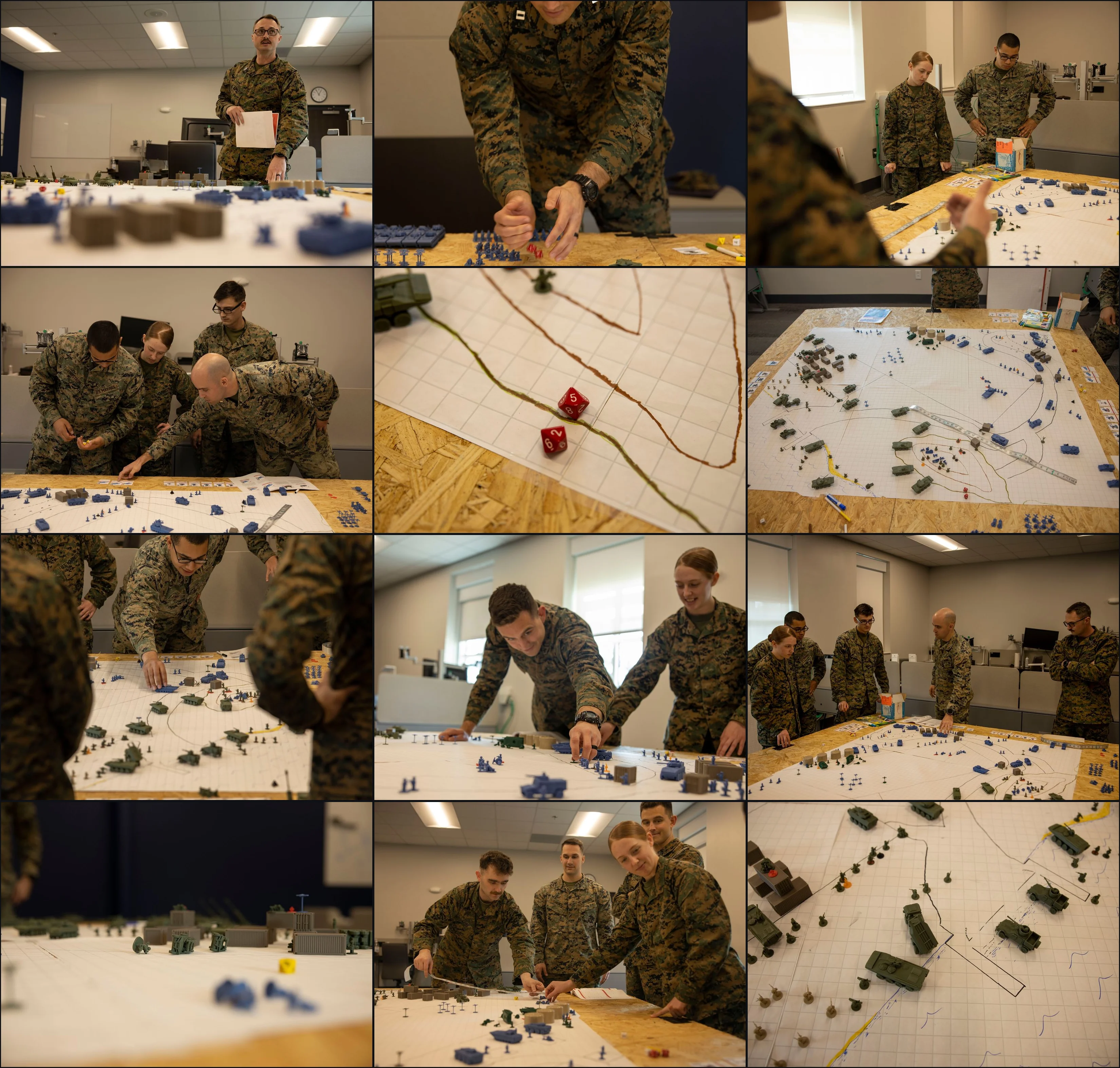
My primary responsibility for the simulation half of Stormbreaker was making sure the needs of the military planners were heard and provided for. I was translating a process that had been done mainly with pencil and paper for decades into an intuitive digital experience, and a significant pain point of the traditional process was the turnaround time for planners to wargame their plans to test them out. Whatever I designed had to be intuitive enough that any planner from any branch could run one or multiple simulations, regardless of their experience level.
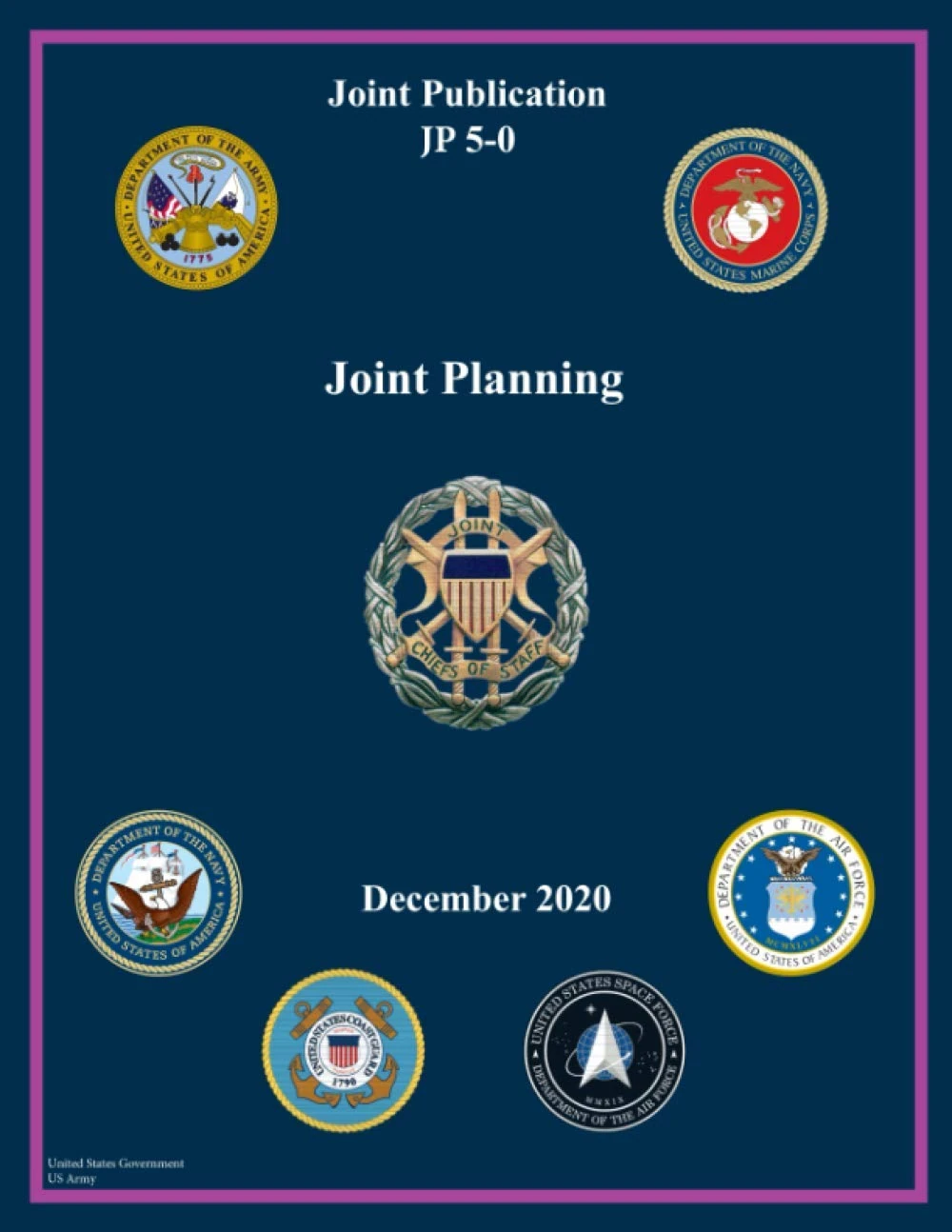
Most of that ran as working sessions rather than interviews. We took apart how they did it on paper under JP 5-0, pulling out the details, data sets and nuances that mattered, and worked through what could be translated into a digital solution. Whiteboards sometimes, though working live in Figma was usually better. Then I would build a prototype at whatever fidelity the conversation needed, bring it back for reactions, and repeat with planners, engineers and leadership until a feature was ready to hand off.
To facilitate the collaborative effort I accepted an offer to relocate from Seattle, WA to Oahu, HI to be the only designer on the island. This allowed me to meet directly with not just our in-house SMX planners, but also planners and members from other branches of the military on the various bases on Oahu.
The wargames required units from all six branches of the military to interact with one another, provide logistics, move around the map, and be given orders, at whatever complexity and scale a planner needed. Translating that into the digital world was the most rewarding work I've done.
Same problem, new foundation
The major change at SMX was the foundation. At Studio Alpha and Microsoft Federal the simulation ran on React driving Unreal Engine, with Cesium supplying the geospatial layer inside the engine. That combination was flexible, and complex interactions were relatively straightforward to build.
At SMX, Unreal Engine was removed, putting React directly on top of Cesium, which cost the simulation its third dimension. Stormbreaker was no longer 3D. Designs carried over from the earlier builds had to be reworked for a purely top-down experience, and anything that depended on a 3D component was cut.
03
Outcome
The final chapter
Planners across the branches were enthusiastic about what Stormbreaker could do for their work, but budget reallocations ended the program toward the end of 2024.